
In recent days, we have witnessed a systematic smear campaign against Argentina. What initially seemed like the typical misinformation found on TikTok or Instagram is now reaching the scale of hate speech. It becomes even more serious when celebrities who once praised our people and our land join in the vilification.
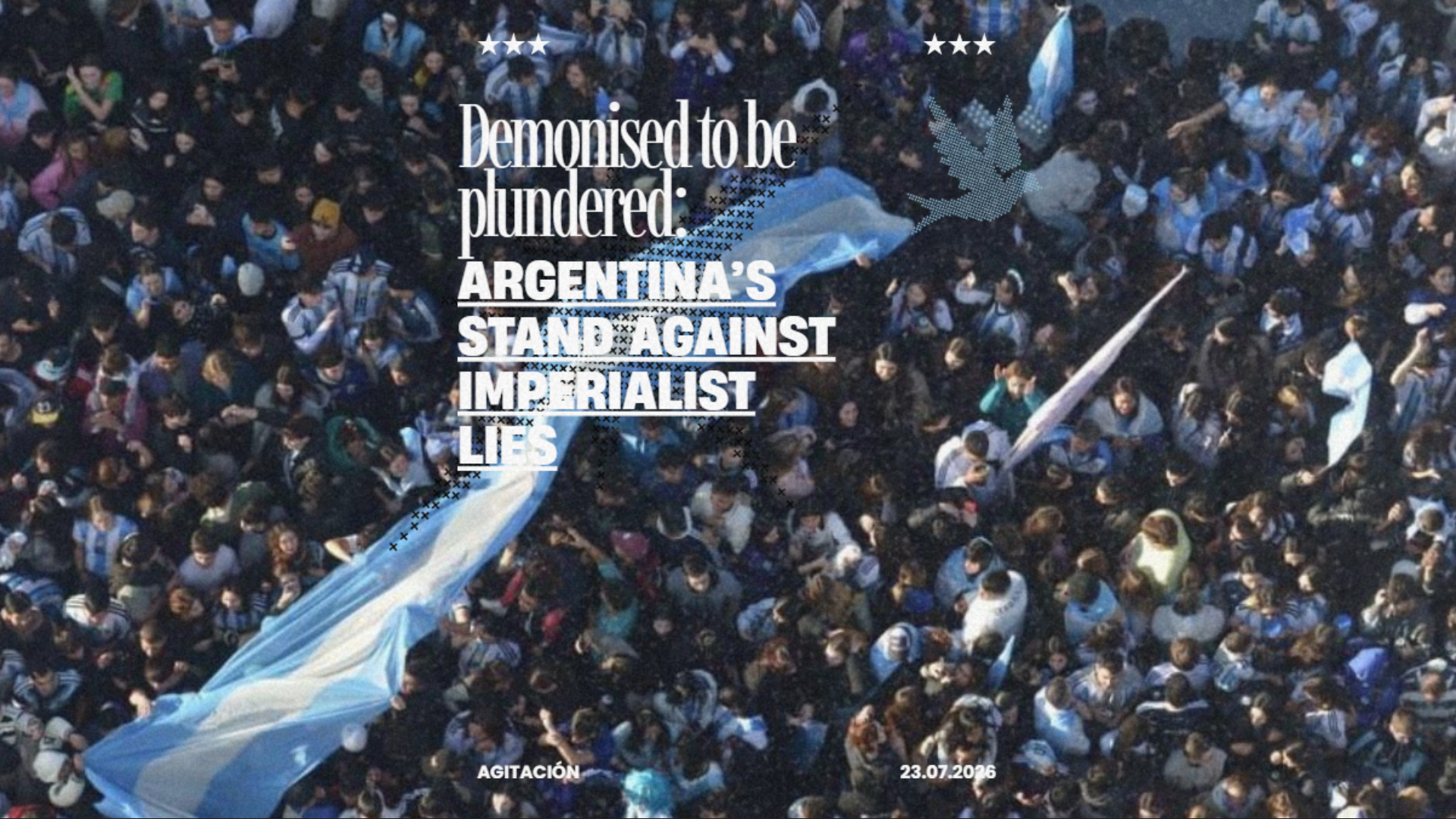
In general terms, this country welcomes with open arms anyone wishing to visit or settle here, regardless of origin or skin colour. However, it is also undeniable that xenophobia and classism exist, directed primarily towards our neighbours from Paraguay, Chile, Bolivia, or Peru.
It is striking that all this is happening in a critical geopolitical context. While the United States once again refers to our region as its “backyard,” Javier Milei is handing over strategic zones, such as the Waterway (Hidrovía) and vast expanses of land containing rivers and lakes, to foreign hands.
At the same time, the Latin American brotherhood that once characterised our region now seems totally fragmented; it is as if we had uncritically bought into the Empire’s narrative. Certain narratives pushed by our very own brothers and sisters claim that we Argentines are not Latin Americans, even though this is undeniable not only because of our geography, but also because of our shared history of anti-colonial resistance and opposition to the dictatorships imposed by the CIA under Operation Condor. A divided Latin America is, without a doubt, much easier to manipulate and control.
The phrase “all men of the world who wish to inhabit Argentine soil,” from the Preamble of our Constitution, is a foundational declaration establishing that the benefits of liberty and progress are not exclusive to Argentines but extend to ANY immigrant. That spirit sums up our national identity. Thanks to this openness, at the beginning of the 20th century, people arrived from all over the world (mainly from Europe and the Middle East) fleeing wars, genocides, and famines. In this land, we welcomed Jews, Armenians, Syrians, Lebanese, Italians, Bolivians, Paraguayans, Peruvians, Venezuelans, Ukrainians, Russians, Senegalese, Cape Verdeans, and many more.
However, the popular saying that Argentines are a “melting pot of races” romanticises and fails to critically examine what migrant populations have suffered and continue to suffer in our country. Our reality is far more complex. Historically, many of them settled in neighbourhoods far from city centres, in precarious settlements, and have faced bureaucratic barriers to process their citizenship or access basic rights. They usually wait longer than an Argentine to receive medical care and face greater obstacles in accessing justice. Our Migration Law ratifies that “the right to migrate is essential and inalienable to the person, and the Argentine Republic guarantees it based on the principles of equality and universality.” Unfortunately, these laws that exist on paper are not always upheld.
On the news, we see the City Police carrying out violent evictions against migrants or detaining people with brown or dark complexions simply for appearing “suspicious.” As this article evidences, Argentina has a systemic problem of discrimination, closely intertwined with a class component. In this context, the current administration in the City of Buenos Aires politically weaponises these attacks on villas miseria (precarious working-class neighbourhoods) as propaganda for “security” or the “war on drugs.” By framing migrants as people who hate our country, they manufacture an excuse to strip rights from these communities, arguing that these resources must be preserved “for Argentines.” This deliberate scapegoating does not aim to combat racism; rather, it creates consent to break the principle of universality. And once that principle is broken for migrants (the most vulnerable link in the chain) the same austerity logic can easily be extended to the rest of the population, turning xenophobia into the Trojan horse for dismantling the public system and paving the way for wholesale privatisation of essential services.
A proof of this is that just one day ago, Agustín Romo, a deputy aligned with the ruling party, mentioned this smear campaign, but with the goal of cutting rights. He introduced a bill in the Buenos Aires legislature to charge foreign citizens without permanent residency for the use of public hospitals and universities. On his X account, he posted: “Enough of paying for the education of foreigners who hate us. Throw them all out. I don’t give a damn if they are one exam away from graduating. Let them do the degree again in the country where they were born.“
The TikTok “historians” insist that there are no Afro-Argentines in Argentina and that we are all white descendants of Nazis, this is a huge lie that, aside from rendering our social roots, fuels prejudice against a country of diverse cultures and ethnicities. That said, we must also acknowledge that our 19th-century elites actively promoted European immigration with an explicit policy of “whitening” the population, a project openly advocated by figures like Juan Bautista Alberdi, to erase our indigenous and African roots from the national imaginary. We cannot deny the structural racism that exists today in our country, which has been inherited since the colonial era, but accusing all Argentines of being racists or labeling the country as dangerous for black people is a blatant lie. The vast majority of Argentines are welcoming and friendly; we do not miss the opportunity to share a mate or some alfajores with whoever visits us.
In their eagerness to distill hatred and ignorance, those gringos don’t even bother to investigate that Afro-Argentines were vital to our independence: many formed the Army of the North and the Army of the Andes. María Remedios del Valle, an Afro-Argentine captain who fought throughout the entire War of Independence, is considered the Mother of the Homeland and today appears on our AR $10,000 bill. Even Maradona, our greatest football representative in the world, had Afro-descendant roots.
The historical contrast with the countries that presume to act as a moral beacon is abysmal. While in 1857, the U.S. Supreme Court ruled in the Dred Scott case that black people were not and could not be U.S. citizens and that the Constitution and civil rights did not apply to them, in 1853, Article 15 of our Constitution established that slaves were automatically free upon stepping onto Argentine soil. The TikTok “historians” also mention the War of the Triple Alliance as the alleged cause of the total eradication of the black population in our country (another great fallacy). The reality is that there were centuries of intermingling with people of different origins, including indigenous peoples, who were also discriminated against and stripped of their ancestral lands. And unlike the southern United States, where Jim Crow segregation laws were in effect from the late 19th century until 1965, legally mandated segregation practices against non-white people never existed in Argentina.
This xenophobic wave shows how easily manipulable the average citizen of the Global North can be: algorithms fuel controversy, and hatred drives engagement. This dynamic had been brewing for a while, but during the last World Cup, betting apps amplified these narratives through influencers and fake news to shift favoritism toward European teams. There is also a real attempt to undermine international sympathy for our sovereign claim over the Malvinas Islands. There, the UK and Israel, through the company Navitas Petroleum, are partnered in illegal oil extraction. And that’s not all: Congress is debating the law on the foreignisation of rural lands, a project of the Milei regime seeking to ease the purchase of fields by international capital.
Let there be no confusion here: welcoming a Bolivian, Peruvian, or Venezuelan family seeking a better life is the very essence of our national soul. Handing over our Hidrovía, our strategic resources, and our lands to transnational corporations is the complete antithesis of that spirit. One is an act of human brotherhood, while the other is outright plunder.
In light of all this, one might ask: who benefits from this hate campaign? This narrative is amplified through social media, mainly TikTok, Instagram and X, and it aligns with the interests of the Global North. This rhetoric paves the way for a discursive consent that presents us to the world as deserving of the dismantling and surrender we are currently suffering. It is curious that imperialist powers that built their wealth on colonialism, white supremacy, occupation, and massacres now point to a poor, Third World country (currently under the yoke of the IMF and multinational corporations) as history’s great monster. Meanwhile, the Global North exports its wars to countries like Iran and Palestine, funding rogue states like Israel in its genocidal campaign.
It is always the same script: when a country possesses abundant natural resources, first its people are demonised, algorithms repeat the propaganda ad nauseam, and then the loss of its sovereignty is legitimised by presenting it as humanitarian action or a deserved punishment (in this case Argentina for being a “racist” country).
We Argentines know our history well and are the first to recognise both our failures and our achievements. That is why no gringo or European has the right to give us moral lessons. When the last military dictatorship fell in 1983, we did not sweep their crimes under the carpet: we brought its members before civilian judges and sent them to ordinary prisons for the genocide they committed. We are deeply proud of our cultural and ethnic diversity, and we believe that makes us great in the eyes of the world. Argentina welcomes anyone who wishes to visit us and does not deny anyone free healthcare or education in our public institutions.
This hate campaign has two clear purposes. First, it places our entire population in a position of vulnerability, like little Nazi monsters devoid of a moral compass, so that the “civilisation” of the North can do whatever it wants with the “barbarism” of the South, justifying that we deserve the harm we receive and that our people need “freedom and democracy” as mere disciplining. Second, it creates a screen of victimisation for those in power to justify austerity policies against migrant communities, and then to later apply them to the rest of the Argentine population.
In this country, migrants and foreigners enjoy the same legal and constitutional recognition as Argentines with national IDs, and it should always be this way.
On August 6th, there will be a march against the land foreignisation law; that march will be the answer to those who believe we will passively accept our own dispossession. Our resistance is lived in every neighbourhood, in every act of solidarity, in the hospitality that characterises us and especially in the streets.
No dishonest smear campaign of social attrition, fueled from abroad, will hurt our national pride or make us Argentines bow our heads!
En los últimos días, fuimos testigos de una campaña sistemática de desprestigio contra la Argentina. Lo que al principio parecía la desinformación típica de TikTok o Instagram, está alcanzando ahora la escala de un discurso de odio. Resulta aún más grave cuando celebridades que antes elogiaban a nuestra gente y nuestra tierra se suman al escarnio.
En términos generales, este país recibe con los brazos abiertos a quien desee visitarnos o establecerse, sin distinción de origen o color de piel. Sin embargo, también es innegable que existen xenofobia y clasismo dirigidos principalmente hacia nuestros vecinos de Paraguay, Chile, Bolivia o Perú.
Llama poderosamente la atención que todo esto ocurra en un contexto geopolítico crítico. Mientras Estados Unidos vuelve a referirse a nuestra región como su “patio trasero”,Javier Milei entrega a manos foráneas zonas estratégicas como la Hidrovía y enormes extensiones de tierras que contienen ríos y lagos.
A su vez, la hermandad latinoamericana que solía caracterizar a nuestra región, hoy parece estar totalmente fragmentada; es como si hubiésemos comprado acríticamente el relato del Imperio. Ciertas narrativas impulsadas desde nuestros propios hermanos y hermanas aseguran que los argentinos no somos latinoamericanos, cuando esto es innegable no solo por nuestra geografía, sino por nuestra historia en común de resistencia anticolonial y oposición a las dictaduras sanguinarias que la CIA impuso en el marco del Plan Cóndor. Una Latinoamérica dividida es, sin duda, mucho más fácil de manipular y controlar.
La frase “todos los hombres del mundo que quieran habitar en el suelo argentino”, del Preámbulo de nuestra Constitución, es una declaración fundacional que establece que los beneficios de la libertad y el progreso no son exclusivos de los argentinos, sino extensibles a CUALQUIER inmigrante. Ese espíritu resume nuestra idiosincrasia. Gracias a esa apertura, a inicios del siglo XX, llegaron personas de todas partes del mundo (principalmente de Europa y Medio Oriente) que huían de guerras, genocidios y hambrunas. En esta tierra recibimos a judíos, armenios, sirios, libaneses, italianos, bolivianos, paraguayos, peruanos, venezolanos, ucranianos, rusos, senegaleses, caboverdeanos y muchos más.
No obstante, la popular frase de que los argentinos somos un “crisol de razas” romantiza y no problematiza lo que sufrieron y sufren las poblaciones migrantes en nuestro país. Nuestra realidad es mucho más compleja. Históricamente, muchos de ellos se asentaron en barrios alejados de las ciudades, en asentamientos precarios, y enfrentaron barreras burocráticas para tramitar su ciudadanía o acceder a derechos básicos. Suelen esperar más tiempo que un argentino para recibir atención médica y padecen mayores obstáculos para acceder a la justicia. Nuestra Ley de Migraciones ratifica que “el derecho a la migración es esencial e inalienable de la persona y la República Argentina lo garantiza sobre la base de los principios de igualdad y universalidad”. Lamentablemente, estas leyes que existen en el papel no siempre se cumplen.
En los noticieros vemos a la Policía de la Ciudad llevando a cabo desalojos violentos contra migrantes o deteniendo a personas de tez trigueña simplemente por parecer “sospechosas”. Como evidencia este artículo, Argentina tiene un problema sistémico de discriminación, estrechamente entrelazado con un componente de clase. En ese marco, la actual administración de la Ciudad de Buenos Aires politiza estos ataques contra las villas como propaganda para la “seguridad” o la “guerra contra las drogas”. Al enmarcar a los migrantes como gente que odia a nuestro país, fabrican una excusa para justificar el despojo de derechos para estas comunidades, argumentando que esos recursos deben reservarse “para los argentinos”. Este chivo expiatorio deliberado no busca combatir el racismo; más bien, crea consenso para quebrar el principio de universalidad. Y una vez que ese principio se quiebra para los migrantes (el eslabón más vulnerable de la cadena), la misma lógica de ajuste puede extenderse fácilmente al resto de la población, convirtiendo la xenofobia en el caballo de Troya para desmantelar el sistema público y allanar el camino hacia la privatización de los servicios esenciales.
Una prueba de esto, es que hace tan solo un día, Agustín Romo, diputado afín al oficialismo, mencionó esta campaña de desprestigio, pero con el objetivo de recortar derechos. Presentó en la Legislatura bonaerense un proyecto para arancelar a ciudadanos extranjeros sin residencia permanente el uso de hospitales públicos y universidad. En su cuenta de X, publicó: “Basta de pagar la educación de extranjeros que nos odian. Échenlos a todos. Me importa un carajo si les falta un final para recibirse. Que hagan la carrera otra vez en el país donde nacieron”.
Los “historiadores” de TikTok insisten en que en Argentina no existen los afroargentinos y que todos somos blancos descendientes de nazis, una gran mentira que aparte de invisibilizar nuestras raíces sociales, alimenta prejuicios contra un país de culturas y etnias diversas. Dicho esto, también debemos reconocer que las élites del siglo XIX promovieron activamente la inmigración europea con una política explícita de “blanqueamiento” de la población (un proyecto abiertamente defendido por figuras como Juan Bautista Alberdi) para borrar nuestras raíces indígenas y africanas del imaginario nacional. No podemos negar como sociedad el racismo estructural que existe en la actualidad, y que fue heredado desde la época colonial, pero acusar a todos los argentinos de racistas o tildar al país de peligroso para las personas negras es una mentira descarada. La gran mayoría de los argentinos somos amistosos y cálidos; no desaprovechamos la oportunidad de compartir un mate o unos alfajores con quien nos visite.
En su afán por destilar odio e ignorancia, esos gringos ni siquiera se molestan en investigar que los afroargentinos fueron vitales para nuestra independencia: muchos conformaron el Ejército del Norte y el Ejército de los Andes. María Remedios del Valle, una capitana afroargentina que luchó durante toda la guerra de Independencia, es considerada la Madre de la Patria y hoy aparece en nuestro billete de AR $10.000. Incluso Maradona, nuestro mayor representante futbolístico en el mundo, tenía raíces afrodescendientes.
El contraste histórico con los países que pretenden erigirse como faro moral es abismal. Mientras que en 1857 la Corte Suprema de Estados Unidos dictaminó en el caso Dred Scott que las personas negras no eran ni podrían ser ciudadanas estadounidenses, y que la Constitución y los derechos civiles no les eran aplicables, en 1853 el Artículo 15 de nuestra Constitución establecía que los esclavos eran automáticamente libres apenas pisaban suelo argentino. Los “historiadores” de TikTok también mencionan la guerra de la Triple Alianza como la supuesta causa de la erradicación total de la población negra en nuestro país, otra gran falacia. La realidad es que hubo un mestizaje durante siglos con personas de diferentes orígenes, incluidos los indígenas, quienes también fueron discriminados y despojados de sus tierras ancestrales. Y a diferencia del sur de Estados Unidos, donde rigieron las leyes de segregación de Jim Crow desde finales del siglo XIX hasta 1965, en Argentina nunca existieron prácticas de segregación legalmente obligatorias contra personas no blancas.
Esta ola xenófoba demuestra lo fácilmente manipulable que puede ser el ciudadano promedio del norte global: los algoritmos fomentan la controversia y el odio genera interacciones. Esta dinámica ya venía gestándose, pero en el último Mundial, las aplicaciones de apuestas amplificaron esas narrativas a través de influencers y noticias falsas para desviar el favoritismo hacia selecciones europeas. También existe un intento real por socavar la simpatía internacional hacia nuestro reclamo soberano sobre las Islas Malvinas. Ahí, el Reino Unido e Israel, a través de la empresa Navitas Petroleum, están asociados en la extracción ilegal de petróleo. Y eso no es todo: en el Congreso se debate la ley de extranjerización de tierras rurales, un proyecto del régimen de Milei que busca flexibilizar la compra de campos por parte de capitales internacionales.
Para que quede claro: recibir a una familia boliviana, peruana o venezolana que busca una vida mejor es la esencia misma de nuestra alma nacional. Entregar la Hidrovía, nuestros recursos estratégicos y nuestras tierras a transnacionales es la antítesis completa de ese espíritu. El primero es un acto de hermandad, mientras que el otro, es entrega de soberanía.
Ante todo esto, cabe preguntarse: ¿a quiénes beneficia esta campaña de odio? La misma se amplifica a través de redes sociales, principalmente TikTok, Instagram y X, y esa narrativa se alinea con los intereses del norte global. La misma allana el camino para un consentimiento discursivo que nos presenta ante el mundo como merecedores del desmantelamiento y la entrega que estamos sufriendo. Resulta curioso que potencias imperialistas que edificaron su riqueza sobre el colonialismo, la supremacía blanca, la ocupación y las masacres, señalen hoy a un país pobre y tercermundista (actualmente bajo el yugo del FMI y las multinacionales) como el gran monstruo de la historia. Mientras tanto, el norte global lleva sus guerras a países como Irán y Palestina, financiando a Estados parias como Israel en su campaña genocida.
Siempre es el mismo libreto: cuando un país posee abundantes recursos naturales, primero se demoniza a su pueblo, los algoritmos repiten la propaganda hasta la saciedad, y luego se legitima la pérdida de su soberanía presentándola como una acción humanitaria o un castigo merecido (en este caso la Argentina por ser un país “racista”).
Los argentinos conocemos bien nuestra historia y somos los primeros en reconocer tanto nuestros fracasos como nuestros logros. Por eso, ningún gringo o europeo tiene derecho a darnos lecciones de moral. Cuando la última dictadura militar cayó en 1983, no encubrimos sus crímenes: llevamos a sus miembros ante jueces civiles y los enviamos a cárceles comunes por el genocidio que cometieron. Estamos profundamente orgullosos de nuestra diversidad cultural y étnica, y creemos que eso nos hace grandes ante el mundo. Argentina le da la bienvenida a todo aquel que quiera visitarnos y no le niega a nadie la salud ni la educación gratuita en nuestras instituciones públicas.
Esta campaña de odio tiene dos propósitos claros. Primero, sitúa a toda nuestra población en un lugar de vulnerabilidad, como monstruitos nazis carentes de brújula moral, para que la “civilización” del Norte pueda hacer lo que quiera con esta “barbarie” del Sur, justificando que merecemos el mal que recibimos y que nuestro pueblo necesita “libertad y democracia” como mero disciplinamiento. Segundo, crea una pantalla de victimización del poder para justificar políticas de ajuste contra comunidades migrantes, para luego aplicarlas al resto de la población argentina.
En este país, los migrantes y extranjeros gozan del mismo reconocimiento legal y constitucional que los argentinos con DNI, y así debería ser siempre.
El 6 de agosto habrá una marcha contra la ley de extranjerización de tierras; esa marcha va a ser la respuesta que le damos a quienes creen que vamos a aceptar pasivamente nuestra propia desposesión. Nuestra resistencia se vive en cada barrio, en cada acto de solidaridad, en la hospitalidad que tanto nos caracteriza, y sobre todo en las calles.
¡Ninguna campaña mentirosa de desgaste social, fomentada desde el extranjero, va a lastimar nuestro orgullo nacional o va a hacer que los argentinos agachemos la cabeza!